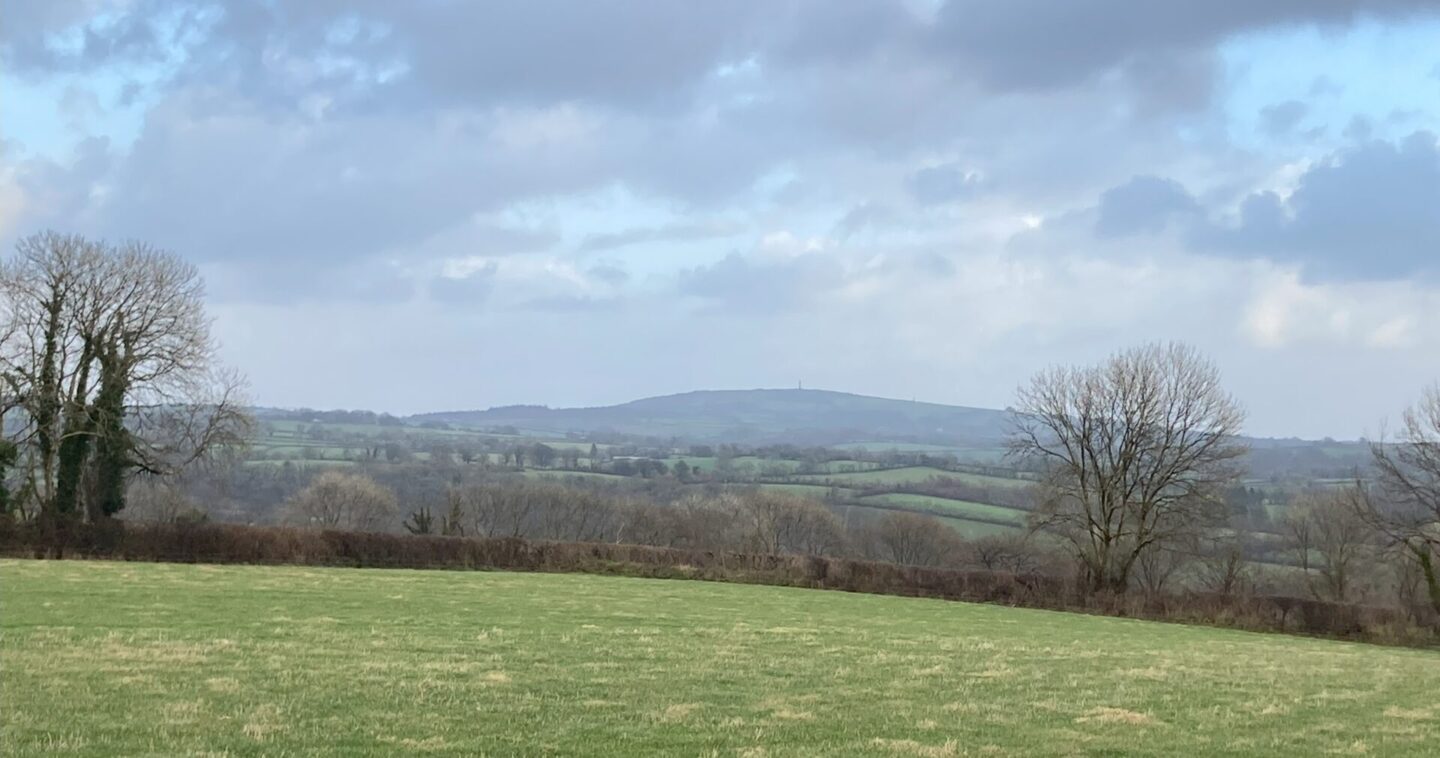
Nestled in the heart of Cornwall, Bodmin Moor is more than just a rugged landscape of granite tors, windswept grasslands, and ancient ruins — it’s also one of the best places in the UK to stargaze. Far from the light pollution of cities and towns, the moor’s vast open skies reveal a glittering canopy of stars, planets, and galaxies that have inspired myths, folklore, and countless quiet moments of wonder.
A Designated Dark Sky Landscape
In 2017, Bodmin Moor was officially recognised as an International Dark Sky Landscape by the International Dark-Sky Association (IDA). This prestigious designation means that local communities and landowners have taken active steps to reduce light pollution — ensuring that the natural darkness of the night sky is preserved for future generations.
On a clear, moonless night, visitors can see the Milky Way stretching across the sky, along with countless constellations like Orion, Cassiopeia, and Ursa Major. It’s a humbling reminder of just how vast and ancient our universe really is.
Where to Go Stargazing on Bodmin Moor
While almost anywhere on the moor offers breathtaking night skies, a few locations stand out for their accessibility and views:
- Siblyback Lake – A popular spot for campers and families, this lake offers wide horizons and calm reflections of the stars on still water.
- The Hurlers Stone Circles – Ancient Bronze Age monuments surrounded by open moorland, creating a mystical atmosphere for stargazing.
- Golitha Falls – A quieter woodland area that opens into clearings perfect for glimpsing constellations framed by tall trees.
- Rough Tor & Brown Willy – The highest points on the moor. A bit of a climb, but you’ll be rewarded with panoramic views and some of the darkest skies in Cornwall.
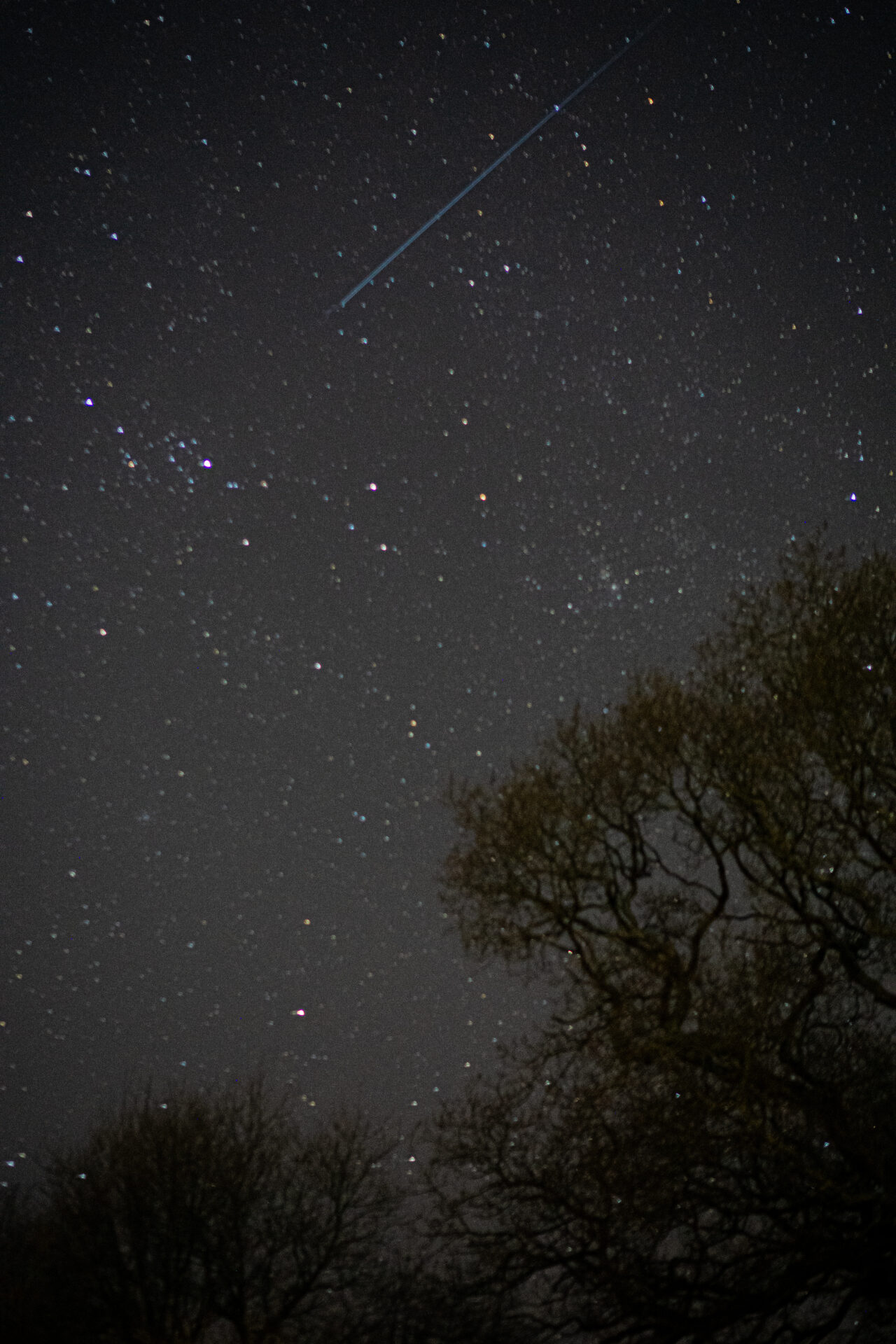
All of these options are within striking distance of Lower Marsh Farm, being between 30 minutes and 1 hour drive away. Or as you can see from the photograph above, the display from the Lower Marsh Farm is pretty spectacular.
When to Go
The best time for stargazing is during autumn and winter, when the air is crisp and the nights are longer. Plan your visit around the new moon for the darkest skies. Check weather forecasts for clear nights — and be prepared for chilly, changeable conditions.
What to Bring
- Warm clothing and blankets – It can get cold quickly, even in summer. A blanket with a waterproof backing is ideal – lying on your back staring up at the stars is a bucket-list experience.
- A red-light torch – Preserves your night vision while navigating in the dark.
- A star map or stargazing app – Apps like Sky Guide or Star Walk help identify constellations and planets in real time.
- A thermos of tea or cocoa – For comfort as you settle in under the stars.
- Binoculars or a telescope – Optional, but a great way to explore details like Jupiter’s moons or the craters on our own Moon.
A Moment of Connection
There’s something deeply grounding about standing on Bodmin Moor under a sky full of stars — the same stars that guided travellers and inspired storytellers for thousands of years. Whether you’re an amateur astronomer, a photographer chasing the Milky Way, or simply someone seeking stillness, Bodmin’s dark skies offer a rare gift: a chance to reconnect with the night itself.
So pack a flask, grab a friend or two, and head out when the sun dips below the horizon. You might just find that the darkest nights bring the brightest stars.